
Currently Empty: $0.00

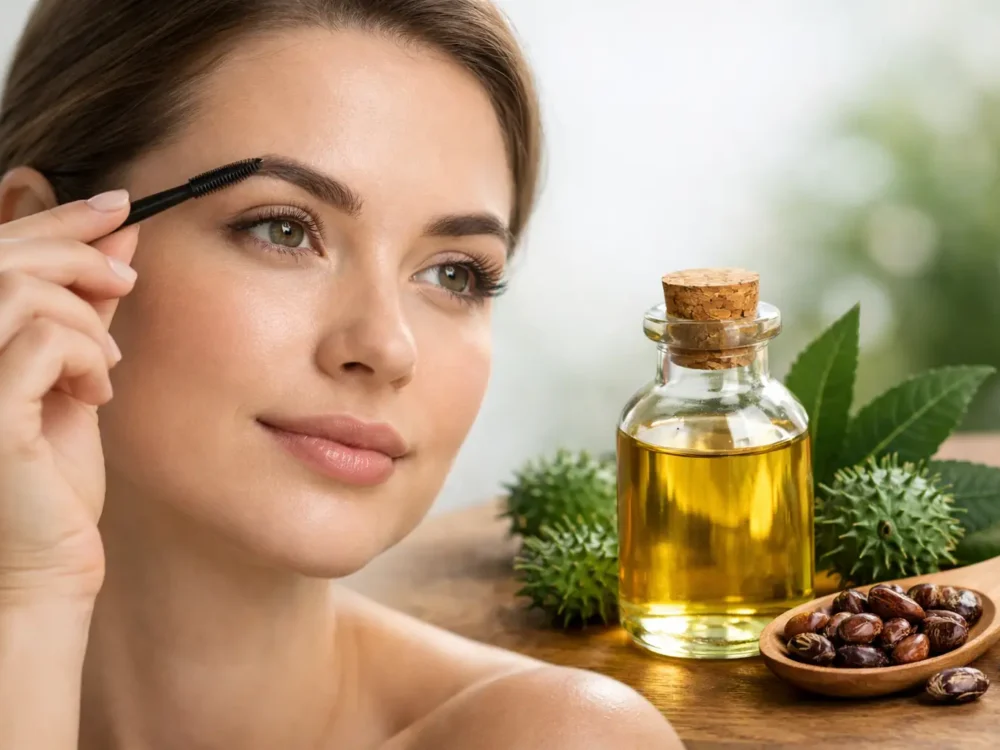
Sparse brows can make a polished makeup routine feel like more work than it needs to be. That is why organic castor oil for eyebrows remains a popular beauty ritual: it is simple, affordable, and easy to add to an evening routine. The key is knowing what castor oil can realistically do for your brows – and what it cannot promise.
What castor oil can do for brow hair
Castor oil is a thick, plant-derived oil traditionally used on hair and skin. Its standout component is ricinoleic acid, a fatty acid that gives the oil its dense texture and conditioning feel. Applied sparingly to the brow area, it can coat the hairs, reducing the dry, rough appearance that can make brows look less defined.
Well-conditioned brow hairs may look shinier, smoother, and temporarily fuller. That visual difference matters, especially if your brows are naturally fine, frequently groomed, or exposed to makeup removers that leave the skin feeling dry. A small amount of oil can also help brow hairs sit in place overnight rather than looking wiry or uneven the next morning.
The trade-off is that castor oil is not a proven brow-growth treatment. There are no strong clinical studies showing that topical castor oil reliably creates new eyebrow follicles or restores brows lost through medical conditions, scarring, or hormonal changes. Think of it as a conditioning step that supports the look and feel of existing brow hair, not a shortcut to dramatic regrowth.
Why choose organic castor oil for eyebrows?
The skin around the eyes is delicate, so ingredient simplicity matters. An organic castor oil product is made from organically grown castor beans, typically without the conventional agricultural inputs associated with non-organic farming. For clean-label shoppers, this can be a meaningful part of choosing a product for regular topical use.
However, organic certification alone does not make an oil automatically better at conditioning brows. The bigger practical checks are equally important: look for 100% pure castor oil, a clearly labeled ingredient list, and packaging that protects the oil from contamination. Avoid blends with added fragrance, essential oils, or unnecessary actives when using a product close to your eyes.
Cold-pressed castor oil is another common preference because it is processed with less heat. It can be a good option for shoppers who value minimally processed beauty staples, but it is not a guarantee of faster brow growth. Purity, gentle application, and consistent use matter more than a long list of front-label claims.
How to apply organic castor oil for eyebrows safely
The best brow routine is deliberately small. Castor oil is rich and sticky, so more is not better. Using too much can cause product to migrate toward the eye, collect dust or makeup residue, and leave the brow area feeling greasy.
Start with clean, dry skin after cleansing. Put one small drop of oil on a clean fingertip, disposable spoolie, or cotton swab. Lightly sweep it through each eyebrow in the direction the hairs grow, then use a clean fingertip to gently press any remaining oil into the brow area. You should not see wet-looking brows or feel excess product on the skin.
Nighttime is usually the easiest time to use it. It gives the oil time to condition the hairs without interfering with sunscreen, brow pencil, or other daytime products. If you prefer a morning application, use the smallest possible amount and allow it to settle before applying makeup.
A clean spoolie is especially helpful for people who want a more polished finish. But do not put a used spoolie back into the bottle after brushing it through your brows. Instead, dispense a drop onto a clean surface and work from there. This simple habit helps keep the product fresh and reduces the chance of transferring bacteria into the oil.
A realistic routine that is easy to keep
Use castor oil three to five nights per week to start. If your skin tolerates it well, daily use is reasonable. Consistency is more useful than applying a heavy layer once in a while.
Give the routine at least four to eight weeks before judging its cosmetic effect. You may notice softer hairs and a neater brow shape first. Any appearance of increased fullness is often tied to healthier-looking existing hairs, less breakage, and more disciplined grooming – not an overnight change in the number of hairs growing from the skin.
Take a makeup-free photo of your brows before you begin, then compare under the same lighting several weeks later. This is more reliable than checking your brows in different mirrors every day, when expectations can make small changes feel bigger or smaller than they are.
When castor oil may not be the right answer
If your brows have suddenly started thinning, are falling out in patches, or are accompanied by redness, flaking, itching, or scalp hair loss, castor oil should not be your only next step. These changes can be associated with skin irritation, over-plucking, nutritional issues, thyroid concerns, autoimmune conditions, or other health factors that deserve professional advice.
Castor oil is also not ideal for everyone with oily or acne-prone skin. Its thick texture can feel too occlusive around the brow area for some people. If you develop bumps, congestion, itching, or irritation, stop using it and return to a simple, gentle routine.
For brows affected by years of over-tweezing, the outcome depends on whether the follicles are still capable of producing hair. Conditioning oil may improve the look of the hairs that remain, but it cannot reliably revive permanently damaged follicles. In that situation, a brow pencil, tinted gel, or consultation with a dermatologist may deliver more predictable results.
Essential safety checks before you start
Never apply castor oil inside the eye, directly along the lash line, or on broken skin. If oil gets into your eye, rinse gently with clean water and discontinue use if discomfort continues. Contact lens wearers should be particularly careful to keep oils away from the eye area.
A patch test is worth the extra day, even with a simple natural ingredient. Apply a tiny amount to the inner arm or behind the ear and wait 24 hours. Do not use it around your brows if you experience stinging, swelling, a rash, or persistent itching.
Also pay attention to product hygiene. Keep the cap tightly closed, store the bottle away from direct heat and sunlight, and do not share applicators. Clean, careful use supports the kind of low-effort routine that beauty-and-wellness staples are meant to provide.
Build fuller-looking brows beyond oil
Castor oil works best as one part of a sensible brow routine. Avoid aggressive tweezing, harsh rubbing during makeup removal, and overusing strong exfoliants near the brow area. Use a gentle cleanser, remove brow makeup thoroughly, and brush hairs into place rather than repeatedly pulling at them.
Nutrition matters for hair health too, although no single food or supplement can guarantee fuller brows. A varied diet with adequate protein, iron, zinc, and essential nutrients supports the body’s normal hair-growth processes. If you suspect a deficiency or notice persistent thinning, testing and personalized medical guidance are more useful than guessing.
For a clean, practical addition to your evening care ritual, choose a pure organic castor oil, use only a trace amount, and let patience do the work. The most satisfying brow routines are the ones you can maintain comfortably – with healthy-looking, well-groomed brows as the everyday payoff.